Tag: Special Events

Improve Your Confidence Through Bridge Games
Developing personal assurance in high-pressure scenarios is a skill that requires both patience and structured mental exercise. Engaging in classic strategic mind sports offers an excellent environment to practice decision-making and overcome the fear of making mistakes. Among these activities, card games stand out as a premier method for fostering self-reliance and cognitive resilience.
Overcoming the Fear of Failure
Many individuals struggle with self-doubt when faced with complex options or unpredictable environments. Contract bridge provides a safe, structured space where every card played represents a definitive choice that yields immediate feedback. By continually facing these mini-dilemmas, players learn to trust their analytical instincts and build a stronger foundation of inner certainty.
Mistakes are inevitable in any trick-taking sport, but bridge transforms these errors into valuable learning experiences. Navigating a failed contract or a defensive misstep encourages a growth mindset rather than emotional discouragement. Over time, this iterative process reduces the anxiety associated with making wrong choices in everyday life.
The Multi-Layered Challenge of Bidding
The auction phase of the game acts as a unique communication platform that demands extreme clarity and assertiveness. Partners must exchange coded signals to accurately describe their hand strength and suit distribution without revealing information to opponents. Successfully executing these systems requires absolute trust in your own evaluation capabilities and active listening skills.
When you place a bold bid based on calculated probabilities, you are actively practicing decisive leadership behavior. This phase removes ambiguity and forces participants to commit to a specific path forward under strict competitive conditions. Regular players often discover that this regular practice of calculated commitment transitions directly into sharper workplace communication.
Deducing Unseen Realities with Certainty
A significant boost in personal confidence comes from mastering the art of logical deduction during active card play. Players must constantly analyze incomplete data, tracking discarded cards to map out the remaining distribution of the deck. Successfully anticipating an opponent's hidden holding creates a profound sense of intellectual accomplishment and self-belief.
This mental exercise trains the mind to focus on objective facts rather than emotional assumptions or speculative guesswork. Enthusiasts looking to sharpen their strategic faculties often explore the digital layouts provided by the M88id platform to test their memory tracking frameworks. Building this analytical accuracy naturally diminishes the hesitation that often holds people back in stressful professional scenarios.
Fostering Shared Trust and Teamwork
Bridge is fundamentally a partnership game where solitary dominance is impossible, requiring two minds to coordinate seamlessly. Relying on a teammate while simultaneously carrying your own tactical weight builds an advanced level of social assurance. Celebrating shared tournament victories or analyzing tough losses together strengthens interpersonal bonds and reduces isolation.
Knowing that your partner respects your strategic choices reinforces a healthy sense of validation and capability. This shared accountability teaches individuals how to manage collective pressure without losing their personal composure. Ultimately, the long-term skills cultivated at the card table provide participants with the mental fortitude needed to handle diverse challenges with absolute poise.

Learn Better Planning in Solitaire Games
Solitaire is often perceived as a simple game of chance where cards are dealt and moved without much thought. However, experienced players know that achieving a high win rate requires foresight, patience, and deliberate execution. By learning to think several steps ahead, you can transform your casual sessions into highly strategic victories.
Analyzing the Initial Deal
Before making your very first move, take a moment to study the entire layout of the tableau. It is tempting to immediately shift any available card, but hasty moves can block crucial pathways later. Evaluate which columns have the most hidden cards and target those areas first to maximize your options.
Prioritizing the release of downcards in the deeper piles is almost always the best opening strategy. This approach opens up the board and gives you the flexibility needed to handle difficult situations. Making decisions based on the initial board state rather than playing on autopilot is the foundation of excellent planning.
Managing the Tableau and Stockpile
A common mistake among players is relying too heavily on the stockpile before exhausting moves on the board. You should always look for moves within the tableau first, as these actions directly uncover hidden cards. Uncovering these cards is vital because it reveals the resources you need to build your sequences.
When you do use the stockpile, try to remember the order of the cards as they pass through. This mental tracking helps you calculate future combinations and avoid surprises when the deck is recycled. For those looking to practice these skills in various digital formats, visiting platforms like M88id can provide a great space to test different layouts and card mechanics.
The Importance of Empty Spaces
Empty spaces on the tableau are incredibly valuable assets that must be managed with care. An empty column should only be created if you have a King ready to fill it immediately. Clearing a space without a plan can severely limit your ability to shift cards around the board.
When faced with multiple Kings, choose the one that can help reveal the most face-down cards in its new column. This selective placement ensures that your empty spaces are used to progress the game rather than stall it. Learning to respect the space on your board is what separates casual players from true masters.
Building the Foundations Carefully
It is incredibly satisfying to move cards to the foundation piles as soon as they appear. However, moving cards up too quickly can sometimes leave you without necessary transition cards on the tableau. For example, placing a red five on the foundation might prevent you from moving a black four on the main board.
Maintain a balanced foundation height to ensure you do not trap useful cards. A good rule of thumb is to keep your foundation piles relatively equal in value as you progress. With consistent practice and mindful planning, your ability to navigate complex layouts will improve dramatically.
Becoming an Expert in Table Games
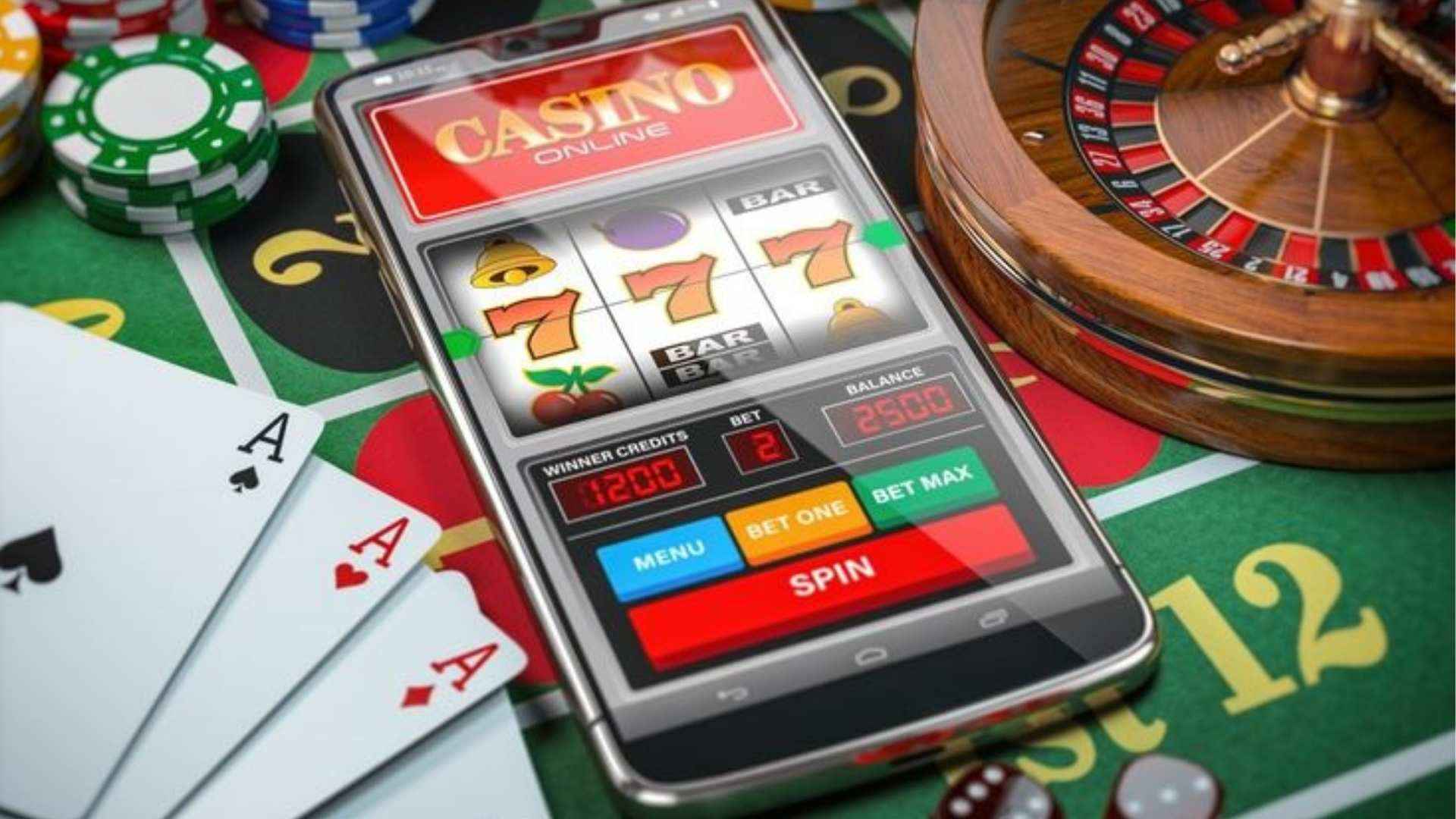
The transition from a casual observer to an accomplished table game player is a journey filled with intellectual challenges and rewarding breakthroughs. While slot machines rely entirely on luck, classic table activities demand a combination of psychological insight, mathematical precision, and disciplined decision-making. Developing this level of expertise requires patience, focused practice, and a commitment to mastering the underlying mechanics of your chosen games.
Building a Strong Analytical Foundation
To truly excel at the tables, you must move beyond basic rules and begin studying the underlying probabilities of every possible scenario. Successful players spend time understanding concepts like the house edge, card distribution patterns, and optimal wagering structures. This analytical approach transforms your gameplay from emotional guesswork into a series of calculated decisions that maximize your long-term success.
In card games like blackjack or baccarat, having a solid grasp of mathematical probability allows you to remain calm under pressure. Expert players rely on proven systems rather than temporary hunches to dictate their next moves, ensuring consistency regardless of short-term outcomes. Developing this disciplined mindset is the absolute cornerstone of reaching an elite level of play.
The Power of Observational Practice
A crucial but often overlooked aspect of mastering table games is the cultivation of deep observational skills. By closely watching your opponents and the dealer, you can detect subtle behavioral patterns, betting habits, and physical tells that inform your strategy. This social awareness gives you a distinct competitive advantage, particularly in highly interactive environments where psychology plays a key role.
For those looking to refine their tactical approach on a reliable platform, visiting M88id provides an excellent environment to study game dynamics and test different approaches. Observing how experienced players handle various hands can significantly accelerate your learning curve. Combining active observation with regular, low-stakes practice is a highly effective way to build genuine table confidence.
Advanced Bankroll Management
Even the most brilliant strategists cannot succeed without a strict and highly disciplined approach to managing their capital. True experts treat their gaming funds as a tool for strategy rather than a standard emotional currency, establishing clear loss limits and win targets before starting. This careful planning ensures that temporary fluctuations do not disrupt your long-term progress or cause unnecessary stress.
Additionally, learning when to step away from the table is just as vital as knowing how to play a complex hand perfectly. Walking away during a winning streak protects your accumulated gains, while leaving after a tough session prevents the common pitfall of chasing losses. Maintaining this level of emotional control separates true table game experts from typical recreational players.