Why Players Become Attached To Particular Wheel Themes
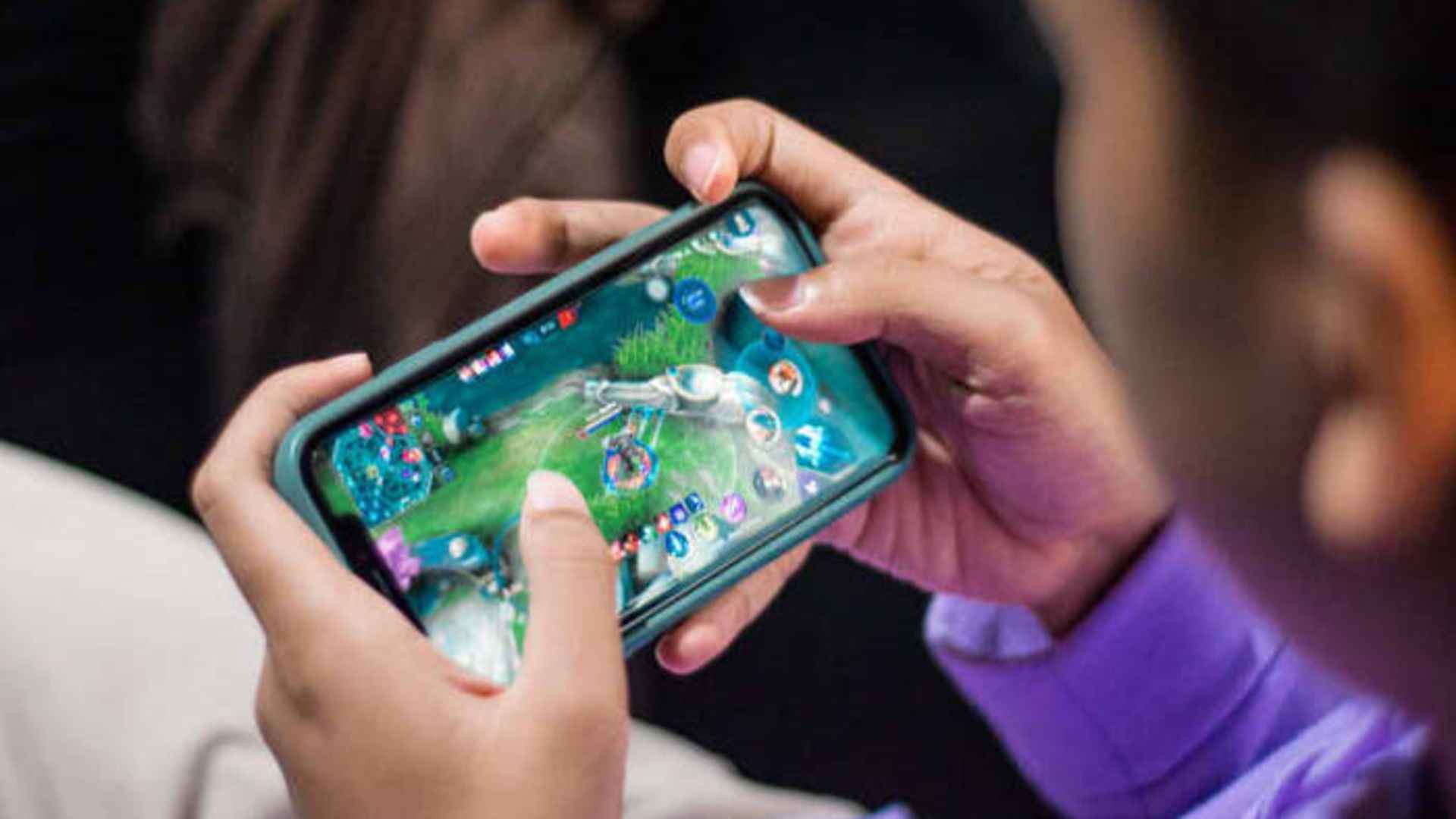
Spinning wheel games have long been a favorite tool for random selection, providing instant amusement and anticipation. While the basic mechanics of a rotating disk remain identical across various platforms, the visual design surrounding them changes significantly. Players frequently develop strong emotional attachments to specific aesthetic settings, preferring one visual wrapper over another even when the mathematical probabilities are completely identical.
The Psychological Comfort of Familiar Aesthetics
Human beings naturally seek out spaces that feel comfortable, safe, and visually appealing during their leisure time. When a spinning wheel incorporates a theme that resonates with a player's personal interests, it immediately bridges the gap between digital interaction and emotional comfort. This familiar feeling encourages individuals to return to the same platform repeatedly, turning a simple random utility into a personalized entertainment routine.
Furthermore, well-crafted backgrounds and specific color palettes can induce relaxation or stimulate excitement depending on their design execution. For instance, neon cyberpunk designs appeal to fans of futuristic technology, while rustic carnival styles evoke nostalgic childhood memories of local fairs. These sensory triggers subtly alter the user experience, transforming a dry statistical event into an engaging narrative journey.
How Immersive Elements Enhance Engagement
Modern developers understand that visual storytelling is a critical factor in maintaining high levels of audience focus. By integrating tailored graphics, thematic animations, and coordinated audio cues, a basic game can become a highly immersive digital environment. When the pointer glides over beautifully detailed segments, the sense of theatrical drama increases significantly.
This heightened engagement is especially apparent on major entertainment platforms where visual diversity is used to attract different demographics. For example, users exploring a premium เว็บพนันออนไลน์ m88 often discover a wide variety of stylized randomizers tailored to distinct cultural preferences. By providing highly polished choices, creators ensure that every spin feels like a premium event rather than a repetitive chore.
The Connection Between Theme and Perceived Fortune
An intriguing aspect of player psychology is the tendency to link artistic design with personal luck and winning streaks. Even though mathematical randomness ensures completely unbiased results across all variations, individuals often believe that certain motifs are inherently luckier for them. This cognitive bias causes participants to stick with a particular visual style after experiencing a single memorable win.
Once a positive memory becomes associated with a specific layout, the brain naturally reinforces that preference during future sessions. This connection makes shifting to a new theme feel counterintuitive, as if changing the graphics might somehow disrupt their fortune. Consequently, these emotional ties grow stronger over time, anchoring the audience to their favorite digital interfaces.
Creating Identity and Connection Through Visual Customization
When interactive systems allow users to select or build their own custom wheel layouts, the sense of personal ownership increases dramatically. Choosing specific colors, symbols, or artistic motifs allows individuals to express their unique identity within the game world. This small element of creative control turns a passive observation into an active statement of personal preference.
Ultimately, the lasting appeal of specific rotating themes lies in their ability to make random outcomes feel deeply personal. By transforming statistical mechanics into colorful visual experiences, designers successfully capture both human attention and emotional loyalty. As digital interfaces continue to evolve, the artistic design of these simple systems will remain a powerful tool for driving long-term player attachment.