Understanding Likelihood Through Practical Games
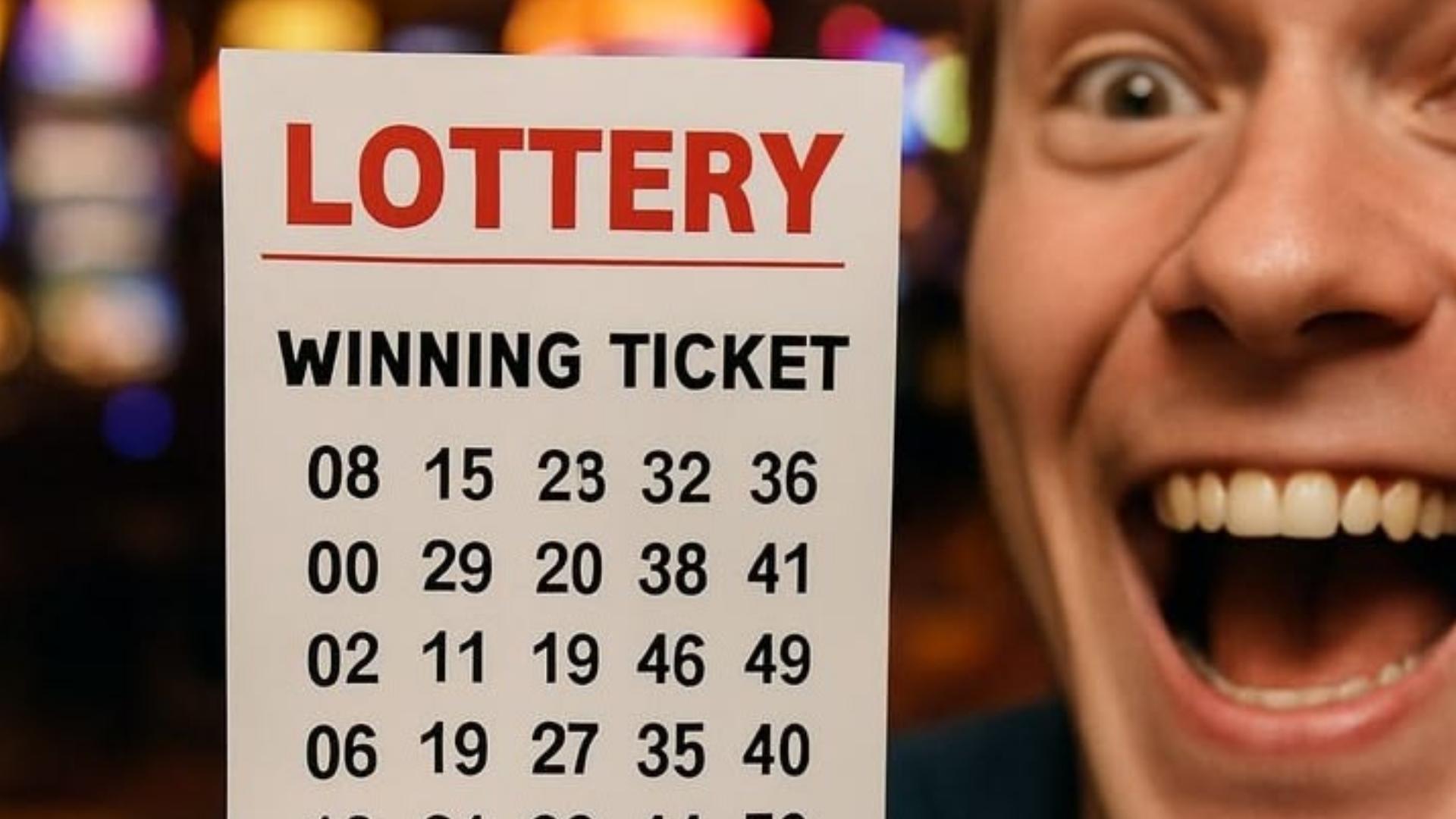
Exploring mathematical concepts often feels intimidating when restricted to theoretical formulas and classroom lectures. However, using interactive gaming setups can completely transform how we perceive statistical distribution and chance events. By engaging with hands-on activities, individuals can develop a deeper, intuitive grasp of statistical variations without academic stress.
The Core Balance of Probability in Games
Every dynamic pastime relies on a calculated interplay between random distribution and user choices. While a simple coin toss relies entirely on absolute luck, more complex board games require players to analyze shifting outcomes constantly. Understanding this boundary allows participants to move past pure guesswork and approach daily challenges with structured analysis instead.
Developing an analytical mindset involves steady observation of recurring trends across multiple rounds of play. By tracking how often specific outcomes appear, you can better estimate future risks and adjust your strategies accordingly. This structured approach helps reduce the natural anxiety associated with navigating unpredictable real-world situations.
How Dice and Cards Simulates Chance
Traditional tabletop challenges serve as excellent tools for translating abstract statistics into highly accessible visual formats. Rolling a set of standard cubes or drawing cards from a deck demonstrates how independent and dependent variables work in real time. These familiar activities provide a practical foundation for mastering foundational mathematical concepts safely.
Modern digital platforms also leverage these exact mathematical frameworks to deliver dynamic experiences for enthusiasts worldwide. When exploring these interactive options, finding a dependable portal like M88id can offer a reliable environment to witness statistical engines in action. Familiarizing yourself with these virtual systems helps sharpen your tactical decision-making skills significantly.
Building Analytical Skills for Daily Life
Engaging regularly with probability-based puzzles trains the human brain to process complex datasets more systematically. Instead of relying on flawed intuition or emotional reactions, players learn to rely on evidence-based logic to navigate uncertainty. These cognitive exercises stimulate areas of the mind responsible for strategic planning and long-term foresight.
Ultimately, the lessons learned from interactive entertainment extend far beyond the game board or digital screen. Recognizing the quiet role of probability empowers decision-makers to evaluate business risks and personal choices with greater objectivity. Embracing these practical experiments ensures that the math of chance becomes both accessible and useful.